
Kibale Forest National Park: East Africa’s Premier Chimpanzee Tracking Haven
Kibale Forest National Park is Uganda’s primate capital, a vibrant tropical rainforest where ancient trees tower overhead, butterflies drift across sunlit clearings, and the sounds of chimpanzees echo through the canopy. Located in the country’s western region, Kibale protects one of the most diverse and intact moist evergreen forests in East Africa. The result is a sanctuary that feels both wild and welcoming, rich with life at every turn of the trail.
The forest stretches across rolling terrain, blending seamlessly into patches of grassland, swamp, and community land. Beneath its dense green canopy are some of the highest primate densities on the continent. Kibale is often described as the best place in the world to track wild chimpanzees and the experience here is unmatched for its consistency, accessibility, and immersive feel.
Wildlife & Conservation
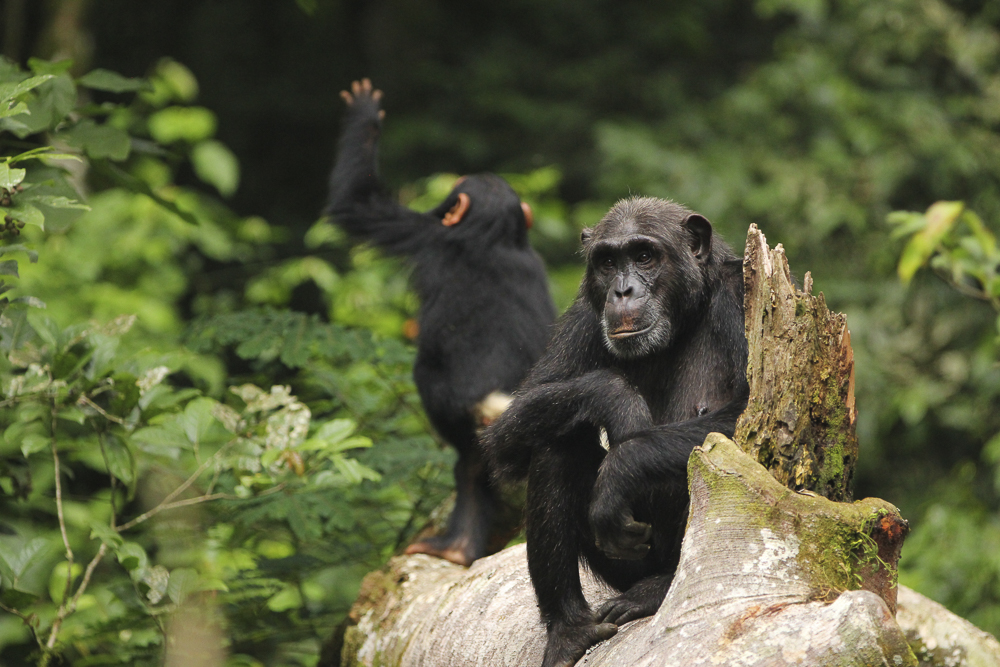
Kibale is home to 13 primate species, making it one of the most primate rich forests anywhere in Africa. The most iconic of these are the chimpanzees, whose family groups are well studied and accustomed to visitors. Encounters are intimate and unhurried, offering a clear window into their communication, relationships, and daily routines. Other primates frequently seen include red colobus, black and white colobus, vervets, mangabeys, olive baboons, and the elusive L Hoest’s monkey. The forest also shelters forest elephants, sitatunga, duikers, bush pigs, golden cats, and a remarkable diversity of smaller mammals.
Birders consider Kibale one of the crown jewels of the Albertine Rift. More than 370 species have been recorded, including green breasted pitta, African pitta, grey winged robin chat, black billed turaco, Afep pigeon, and numerous forest specialists. The forest floor, mid-level branches, and canopy each host different communities of birds, making every walk productive and exciting.
Popular experiences to look forward to in Kibale
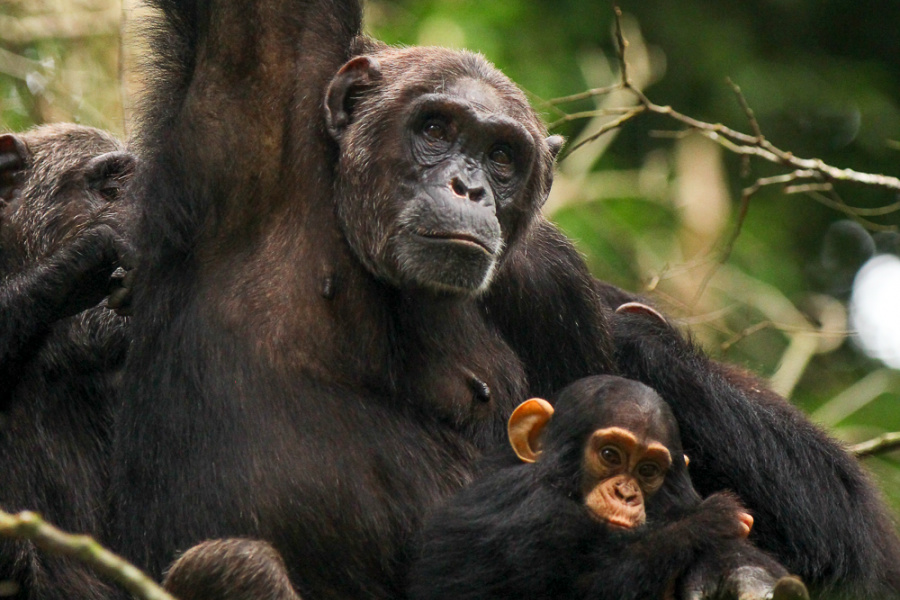
Chimpanzee Tracking
Kibale’s signature activity is the morning or afternoon trek to meet a habituated chimpanzee community. The walks are not usually steep, the trails are well established, and the sightings are among the most reliable anywhere in East Africa. Watching chimps drum on buttress roots, groom their young, or suddenly burst into high speed through the trees creates unforgettable moments.
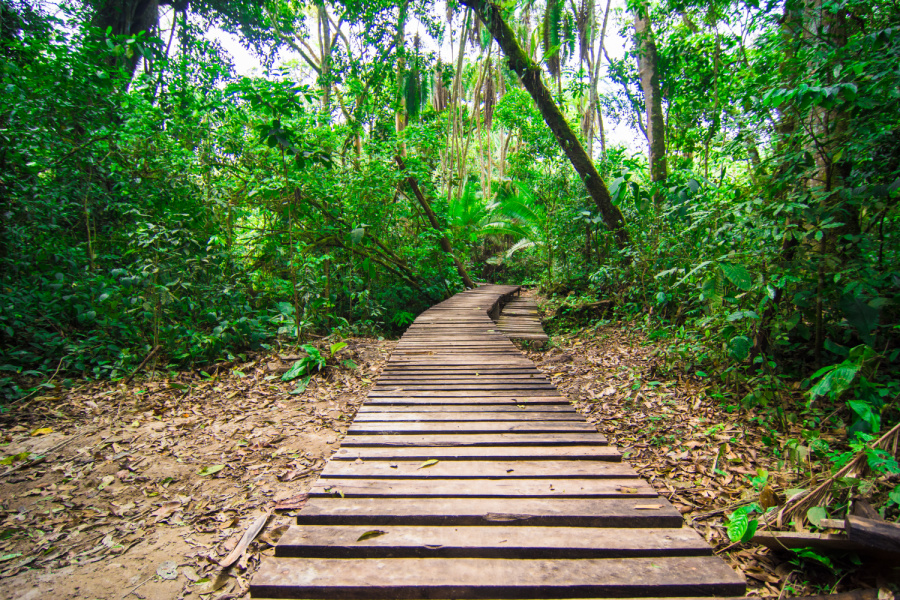
Nature Walks & Birding
Kibale’s network of trails winds through towering figs, ironwood trees, and dense undergrowth alive with insects, birds, and primates. Guided forest walks reveal medicinal plants, animal tracks, butterflies, and the rhythmic sounds of the rainforest. Serious birders often spend several days here, working through different habitats including forest edges, swamps, and interior trails.
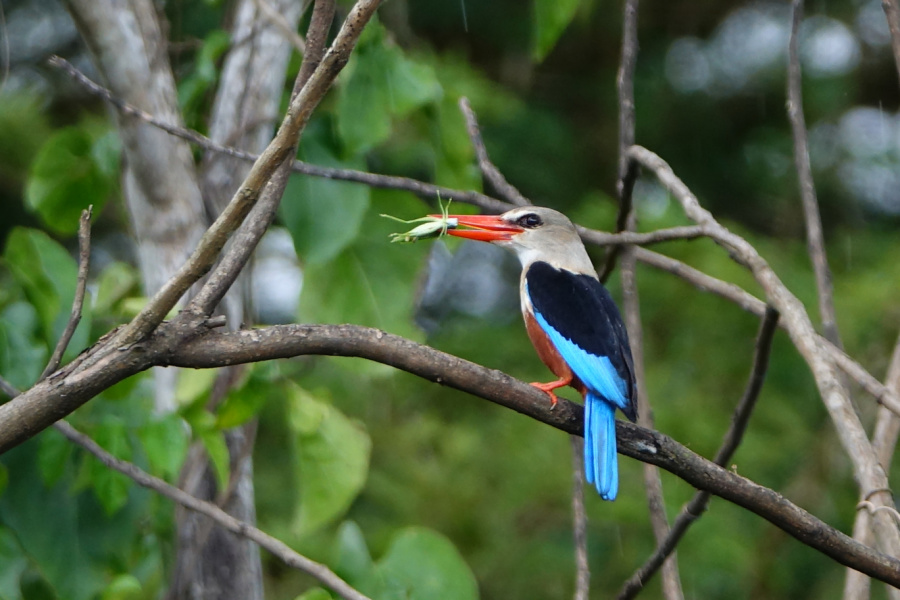
Bigodi Wetland Sanctuary
Adjacent to the park lies Bigodi, a community managed swamp rich in birds, monkeys, and wetland flora. Boardwalks and narrow paths allow close encounters with species such as the great blue turaco, hornbills, papyrus gonolek, and red tailed monkeys. The visit also highlights the role of community conservation and offers meaningful cultural interactions.
Best time to visit
Kibale Forest is accessible throughout the year. The drier months from June to September and from December to February provide the best trekking conditions with firmer paths and reduced rainfall. The wetter seasons bring dramatic green vegetation, stronger bird activity, and atmospheric forest scenes, although the trails can be muddy. Temperatures stay mild due to the forest environment and elevations.
Getting There
Kibale lies about a five to six hour drive from Kampala or Entebbe. Many travellers combine it with Queen Elizabeth National Park, which is only a short drive south. The town of Fort Portal serves as the gateway, with its crater lakes, tea estates, and scenic views adding beauty to the journey. Accommodation options range from luxury forest lodges to boutique eco retreats located near park entrances and along the crater lake region.